
Best Books to Learn Database Management and Compiler Design
Two concise, exam-aligned books for DBMS and Compiler Design — how to study them together in 8 weeks, with a use-case-to-book table and a GATE-aligned study plan.
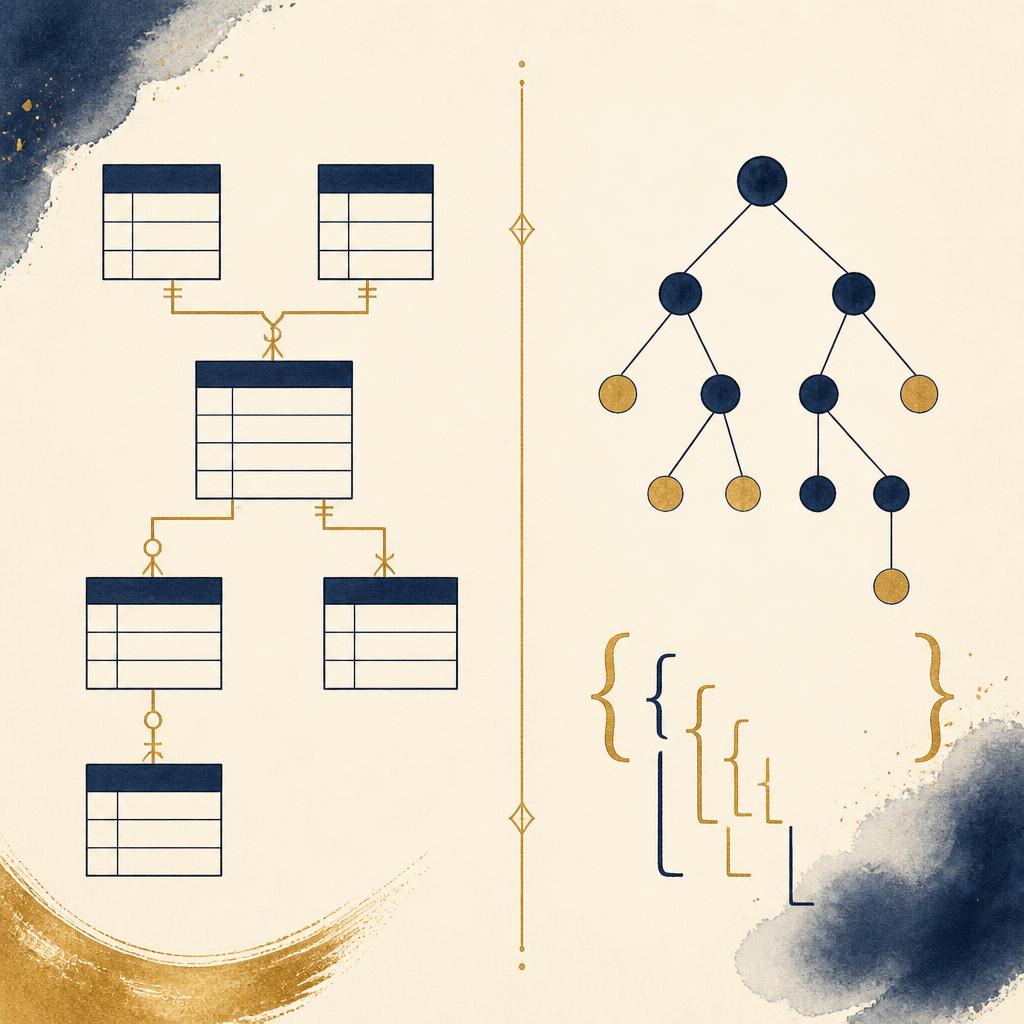
If you want two concise, exam-aligned books that students actually finish, Knowledge Flow's Database Management System and Compiler Design are the pair to reach for. Both are short, both cover the syllabus end to end, and both pair naturally with Data Structures and Algorithms when you need to connect indexing, query optimization, and compiler symbol tables to the algorithms underneath.
The right mental model
DBMS and Compiler Design look like two separate subjects, but they share a backbone: both turn human-readable input (SQL queries and source code) into an internal representation a machine can run efficiently. Read them as front-end parsing, middle representation, back-end execution, and the same vocabulary — tokens, trees, normalization, optimization — keeps reappearing. That overlap is also why a solid Data Structures and Algorithms foundation makes both subjects noticeably easier.
A realistic 8-week study loop
DBMS carries more practical, marks-heavy SQL in most syllabi, so give it the larger half. Treat the week ranges as a planning guide and adjust to your own course outline.
| Weeks | Focus area | Primary book | Daily target | What to verify you can do |
|---|---|---|---|---|
| 1-2 | ER model, relational model, SQL (DDL/DML) | Database Management System | ~10 pages + 5-8 query problems | Write a join query and an aggregate query from scratch |
| 3-4 | Normalization (1NF to BCNF), transactions, concurrency | Database Management System | ~10 pages + 2 normalization problems | Take a relation to BCNF and explain why |
| 5-6 | Indexing (B+ trees), query processing and optimization | Database Management System + Data Structures and Algorithms | ~8 pages | Tie an index choice back to a tree structure |
| 7-8 | Lexical analysis, parsing, semantic analysis, code generation | Compiler Design | ~12 pages + 1 hand-traced grammar | Build a small parse tree and one step of intermediate code |
Which book for which goal
| Use case | Book | Why it fits |
|---|---|---|
| Self-study DBMS from scratch | Database Management System | Concise and exam-aligned; covers SQL, ER modeling, normalization, transactions, and indexing in one slim volume |
| Compiler design for GATE or university exams | Compiler Design | Walks lexical analysis through code generation end to end with worked parsing examples |
| The shared-algorithms bridge | Data Structures and Algorithms | Ties B+ tree indexing and compiler symbol tables back to the algorithms both subjects assume you know |
What separates top scorers
Top scorers do three things consistently in these two subjects: they hand-write SQL and parse trees instead of just reading them, they redo normalization and parser-construction problems until the steps are mechanical, and they connect each abstract concept (a join, a parse, an index) to a concrete worked example. Reading Database Management System and Compiler Design actively — notebook open — beats passive re-reading every time.
Exam-week crunch
In the final week, drop everything except past-paper problems and the tables above. For DBMS, drill SQL queries and one normalization problem a day. For Compiler Design, trace one parsing table and one intermediate-code example a day. Keep Data Structures and Algorithms close only for the indexing and symbol-table questions that bridge into DSA. To confirm exactly how many marks DBMS and Compiler Design carry in your exam, check the official GATE Computer Science syllabus (GATE 2026, IIT Guwahati) or your university's course outline.
For the wider Programming and Computer Science catalog, browse the Programming and Computer Science series.
By Knowledge Flow Editorial Team
Last updated: